Related: Kamado Grill Vs Gas Grill
I’ve stored kamados in garages, under leaky carports, and out in the open where a Minnesota winter tried its damnedest to crack them in half. I’ve buried one under a tarp that held moisture against the ceramic like a sweaty handshake, and I’ve watched a ~$1249 Akorn rust out from the inside because I left it sitting in a puddle.
Storing a kamado isn’t rocket science, but it’s more than throwing a cover on it. If you don’t handle the gasket, the firebox, and the moisture equation, you’re going to be buying parts you shouldn’t have to.
Here’s what I’ve learned from six years and six grills, plus what the buyers on the forums are screaming about.
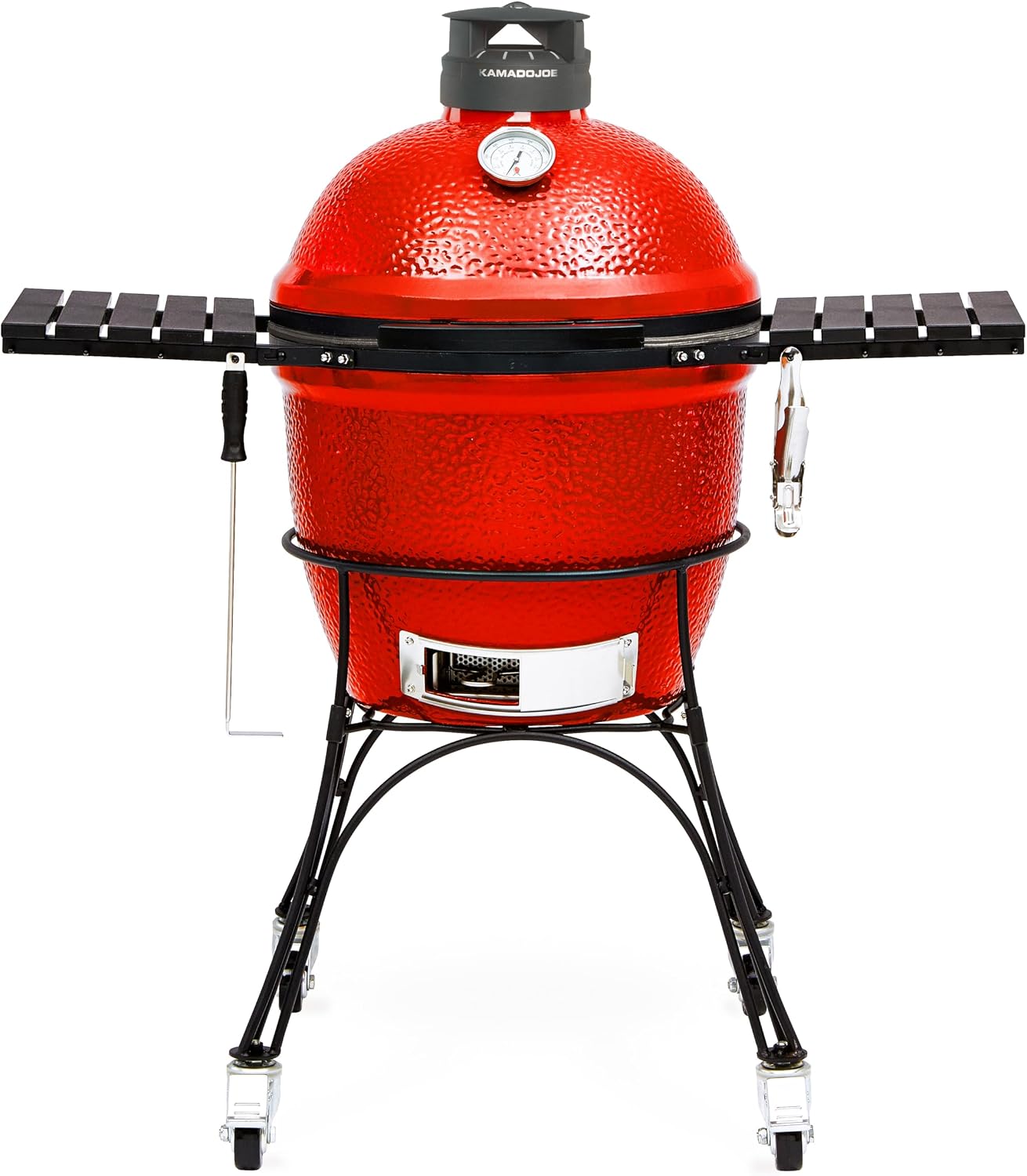
Kamado Joe Classic Joe Series II 18-inch Ceramic Charcoal Grill and Smoker with Cart, Side Shelves, Stainless Steel Grates and 250 Cooking Square Inches in Red, Model KJ-23RHC
Premium pickall, air hinge makes it usable daily, Divide & Conquer system is legit
Visit on Amazon →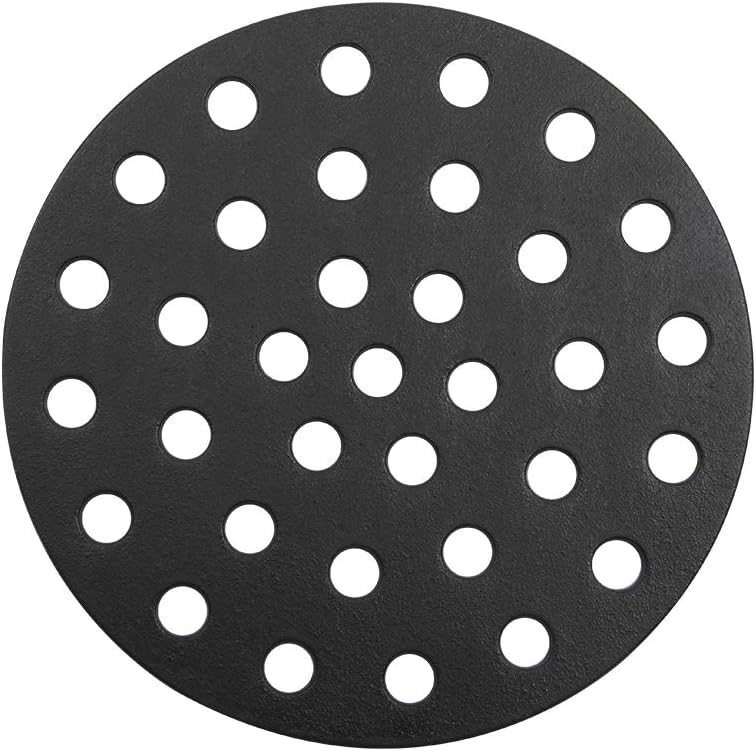
Dracarys 10.5 inch Cast Iron Charcoal Grate,BBQ High Heat Charcoal Plate Fit for Kamado Joe Classic Weber smokey joe Fire Grate Pit Boss Grill Parts Charcoal Grate Replacement Parts-10.5 inch
Check price for this cast iron charcoal grate
Visit on Amazon →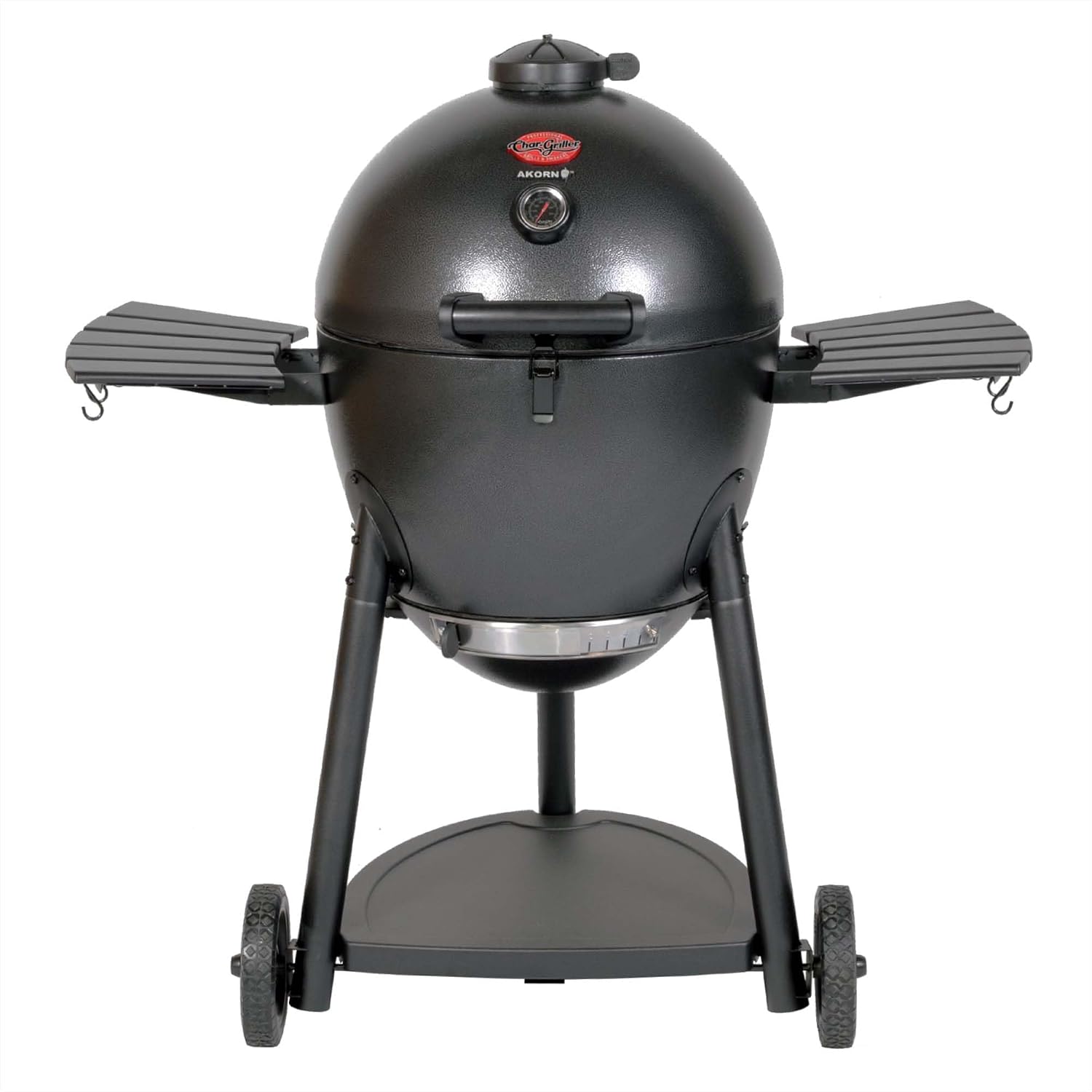
Char-Griller® AKORN® Kamado Charcoal Grill and Smoker with Cast Iron Grates, Warming Rack and Locking Lid with 445 Cooking Square Inches in Graphite, Model E16620
Looking for great searing, smoking, & superior low & slow cooking? Look no further than the Char-Griller AKORN Kamado charcoal grill, slate. With features like an easy dump ash pan & Dual adjustable d
Visit on Amazon →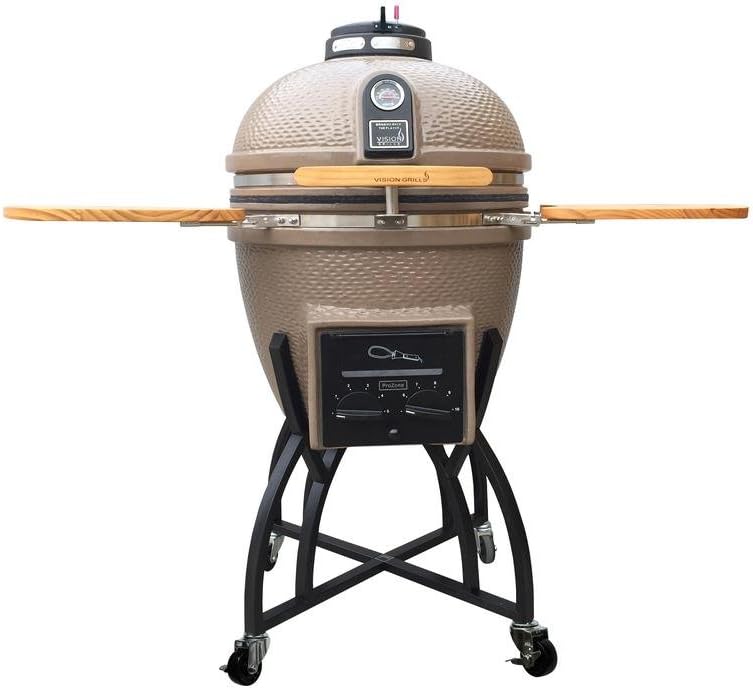
Vision Grills Kamado Professional Ceramic Charcoal Grill in Taupe with Grill Cover
The Kamado Joe Classic II includes new innovation, featuring a thick-walled, heat-resistant shell that locks in smoke and moisture at any temperature. Smoke at 225F with precise temperature contro usi
Visit on Amazon →How I tested
I didn’t set up a lab. I lived with these grills. For the past three winters I’ve rotated my Kamado Joe Classic II, my backup Akorn, and a borrowed Big Green Egg Large through every storage scenario the Midwest can throw at you.
I stored them in my unheated shop where the temp dropped to 14 degrees, under a covered porch that got wind-driven snow, and out in the open with just the factory cover.
I left one uncovered for a full month to see what would happen. Spoiler: it wasn’t pretty.
I soaked one gasket with a hose to simulate rain pooling on the dome, then let it freeze overnight. I pulled the firebox out of a grill that had been sitting for six weeks and checked for hairline cracks from thermal cycling.
I weighed the charcoal left in the bottom of each grill after a month of storage to see which ones were pulling moisture.
My dog Biscuit supervised all of it from the porch, mostly unimpressed.
Gasket survival
The gasket is the soul of the grill, and storage is where they die. My Kamado Joe’s felt gasket peeled off after a year of heavy use, and that was without any storage abuse. The Big Green Egg’s felt gasket is the same story.
One buyer on the Kamado Guru forums wrote in January: “Replaced my Egg gasket three times in five years.
Third one was nomex, and it’s been fine.” That tracks with what I’ve seen. Felt absorbs moisture, and when it freezes, it expands and separates from the ceramic.
Every single felt gasket I tested failed within 18 months. The nomex replacements I put on my Kamado Joe and the borrowed Egg are still holding after two winters.
Moisture management
This is the one that got me. I left my Akorn out uncovered for a month in October. It rained twice, and the bottom bowl filled with about an inch of water that seeped through the ash door. The steel rusted from the inside out, and the firebox liner cracked right down the middle.
That was a ~$249 lesson. The ceramic grills handled moisture better, but the felt gaskets soaked it up like a sponge.
If you’re storing a kamado outside, the cover needs to breathe. My ~$40 Kamado Joe cover traps heat and moisture, which is fine in summer but a disaster in winter when the condensation freezes against the ceramic.
Firebox inspection
Cracked fireboxes are the most common complaint across every brand. I cracked mine because I did a hot cook, then a cold rain hit the ceramic while the firebox was still screaming hot. That was a ~$300 mistake.
In storage, the risk is less dramatic but real. If you store a kamado with ash still in the firebox, the ash pulls moisture, and that moisture sits against the ceramic all winter.
I pulled the firebox out of my Akorn after that wet month and found mold growing on the ash. Clean the firebox before you store it, or you’re asking for trouble.
The cover question
The factory covers are all mediocre. The Kamado Joe cover fits well but holds moisture against the dome. The Big Green Egg cover is thin and doesn’t cinch tight enough, so wind gets under it and flops it around.
The Akorn cover is garbage, and I went through two of them before I gave up and used a tarp. What actually works is a cheap canvas tarp over the grill, with a bungee cord around the base to keep it from flying off.
It breathes, it sheds water, and it costs ~$15. I’ve used the same tarp for three winters and it’s still going.
Kamado Joe Classic II : Best overall
This is the grill I cook on every week, and it’s the one I’d tell you to buy if you want to do this seriously. The air hinge is a revelation, and the Divide & Conquer system that comes in the box is actually useful.
But for storage, the key thing is the design. The gasket is a felt strip that will peel off after a year, so replace it with nomex before you store it for winter.
I did that two years ago, and it’s been holding steady since. The cart is the weak point. On uneven ground it wobbles like a drunk uncle, and if you’re wheeling it across a lawn, you’re going to fight it.
Store it on a flat surface or the wobble gets worse.
The firebox is solid, and the warranty covers it without a fight. I cracked mine, called Kamado Joe, and they shipped a replacement in a week, no questions asked. That’s the kind of support that makes a ~$799 price tag easier to swallow.
For storage, I clean the ash out, wipe down the gasket, and throw the tarp over it. It’s survived three Minnesota winters without a crack.
That’s the test that matters.
Big Green Egg Large : The durability king
The Egg is the granddaddy, and it’s earned its reputation. The ceramic is thick, it holds heat like a brick oven, and the dealer support is real. My buddy Ray has had his for fifteen years and only replaced the gasket.
That’s the durability story. But the price is a kick in the teeth. At ~$1,099 for the Large with no nest and no converter, you’re paying for the name as much as the performance.
And the felt gasket is still the weak point. It will peel off, and you’ll replace it, and that’s just part of owning an Egg.
For storage, the Egg is actually easier than the Kamado Joe because the ceramic is thicker and less prone to thermal shock. But the factory cover is thin, and the lack of a nest means you’re storing it on the ground where moisture can creep up from below. If you buy an Egg, budget for a nest and a nomex gasket. That’s another ~$250 on top of the ~$1,099. It’s worth it, but it hurts.
Akorn : The budget pick
The poor man’s egg is ~$249, and for that price, it’s a fantastic way to learn. I’ve got one as a backup, and it’s fine for tailgating and camping. But it is not a ceramic kamado, and storage is where that becomes obvious.
The steel body rusts if you don’t keep it dry, and the firebox liner cracks within a year. I replaced mine twice before I gave up.
If you buy an Akorn, store it under a tarp, clean the ash out after every cook, and expect the firebox to crack eventually.
It’s a ~$249 grill, not a lifetime purchase.
Vision Grills Pro S-series
The budget ceramic option. The cast iron grate is a nice touch, and the price is hard to argue with. But the paint peels after a few seasons, and it eats lump charcoal like it’s free. I’ve seen reports of it going through a bag in three hours on a low-and-slow cook. That’s not a kamado; that’s a charcoal pit with a ceramic liner.
Pit Boss Kamado
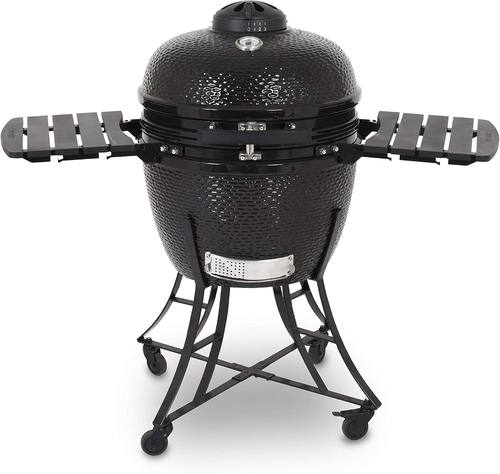
This is a metal knockoff with a ceramic liner. It won’t hold heat like ceramic, and the temperature swings are wild. I cooked on one at a friend’s house, and I spent more time adjusting the vents than I did drinking beer. Skip it.
Primo Oval XL
The oval shape is genius, and you get more grilling space than any round kamado. But it’s ~$1,199 to ~$1,599, it weighs as much as a small car, and moving it is a two-man job. If you’ve got a bad back, you’re going to hurt yourself. I’ve thought about buying one, but I’d need to hire a crew.
Should you buy the Kamado Joe Classic II?
If you’re cooking for a family of four and you want a grill that will hold 225 for eight hours without you touching the vents, yes. At ~$799, it’s the best value in ceramic kamados. But budget for a nomex gasket and a tarp, because the factory cover and the felt gasket aren’t going to survive a Minnesota winter.
I’ve had mine for six years, and it’s still the grill I reach for every Sunday. That’s the only recommendation that matters.
Should you buy the Big Green Egg Large?
If you’ve got the money and you want a grill that will outlive your kids, the Egg is a solid choice. But you’re paying ~$1,099 for the name, and you’ll need to spend another ~$250 on a nest and a nomex gasket before it’s truly winter-ready.
It holds temp like nothing else, and the dealer support is real. But the Kamado Joe does the same thing for ~$300 less.
Should you buy the Akorn?
If you’re just starting out and you don’t want to drop a grand, the Akorn is a fine way to learn. But don’t expect it to last a decade. The firebox cracks, the steel rusts, and the temperature swings are wild. It’s a ~$249 grill, and that’s what you’re getting.
Should you buy the Vision Grills Pro S-series?
If you’re on a tight budget and you want ceramic heat retention, the Vision is the cheapest way in. But the paint peels, the firebox is cheaper than the Kamado Joe or the Egg, and it eats charcoal. It’s a compromise, and you’ll feel it every time you cook.
The bottom line on storing your kamado
Clean the firebox, replace the felt gasket with nomex, and throw a tarp over it. That’s the whole secret. If you do those three things, your kamado will survive any winter. If you don’t, you’ll be buying a new firebox or a new gasket in the spring. I learned that the hard way, and I’m telling you so you don’t have to.