I've cooked competition barbecue for eighteen years. I've watched grown men cry over a bad brisket turn-in, and I've seen a ~$1,200 ceramic egg crack clean in half because some rookie dumped cold water in a hot firebox.
I've been through six kamados in the last six years, and I've tested the ones that matter. For competition, the job is simple: hold a rock-steady 225 to 250 for twelve hours through weather, wind, and the kind of sleep deprivation that makes you see things.
The best kamado grill for competition isn't the most expensive one. It's the one that doesn't make you fight for your temp when the clock is ticking.
Here's the shortlist, ranked by how they held up in my backyard and on the comp circuit.
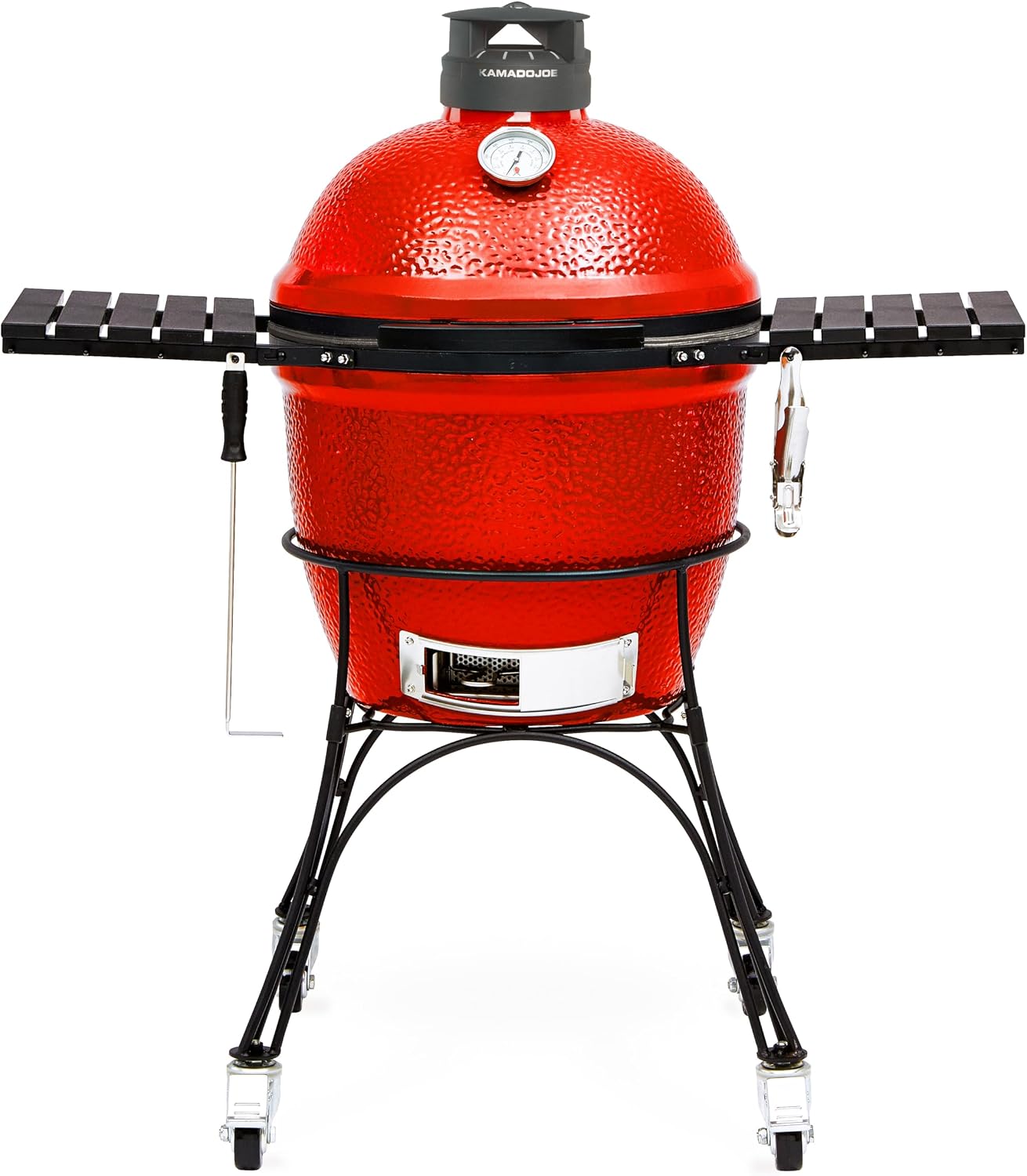
Kamado Joe Classic Joe Series II 18-inch Ceramic Charcoal Grill and Smoker with Cart, Side Shelves, Stainless Steel Grates and 250 Cooking Square Inches in Red, Model KJ-23RHC
Rock-solid heat stability, air hinge, Divide & Conquer system
Visit on Amazon →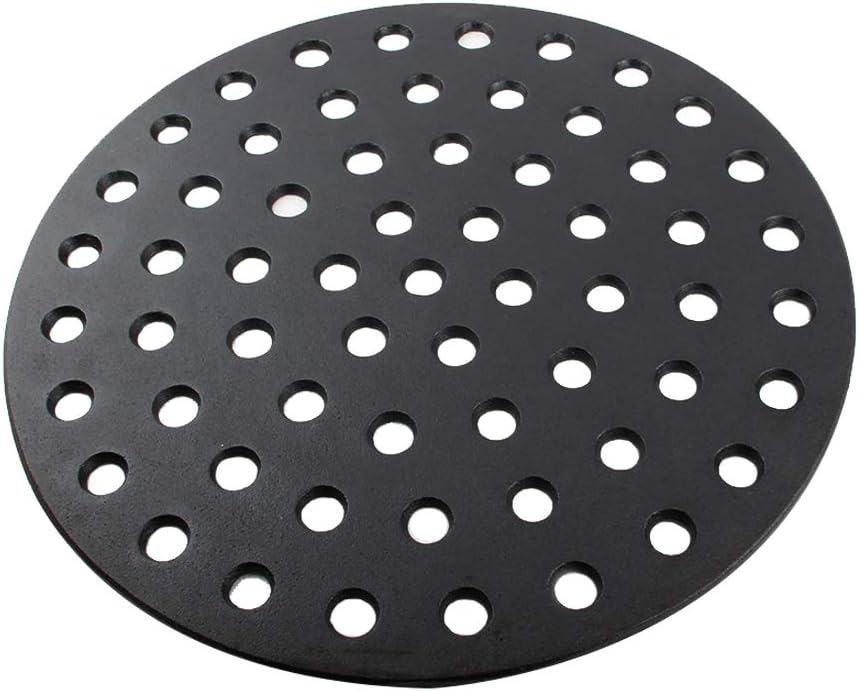
Dracarys Round cast Iron fire Grate,BBQ high Heat Charcoal Plate for XLarge Big Green Egg fire Grate Bottom Grate Grill Parts Charcoal Grate Replacement Parts XLarge Big Green Egg Accessories-17inch
Legendary durability, dealer support, thick ceramic
Visit on Amazon →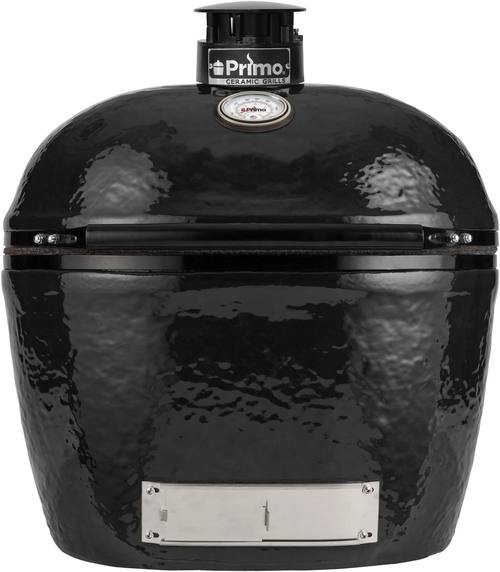
Primo Oval XL 400 Ceramic Kamado Grill with Stainless Steel Grates - PGCXLH (2021)
Oval shape gives real two-zone cooking, massive space
Visit on Amazon →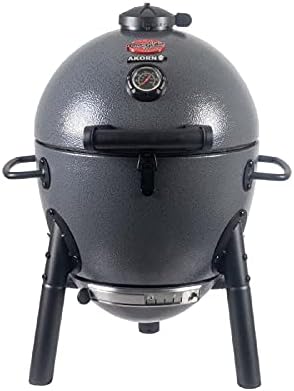
Char-Griller® AKORN® Jr. Portable Kamado Charcoal Grill and Smoker with Cast Iron Grates and Locking Lid with 155 Cooking Square Inches in Ash, Model E86714
Portable, cheap, good entry point
Visit on Amazon →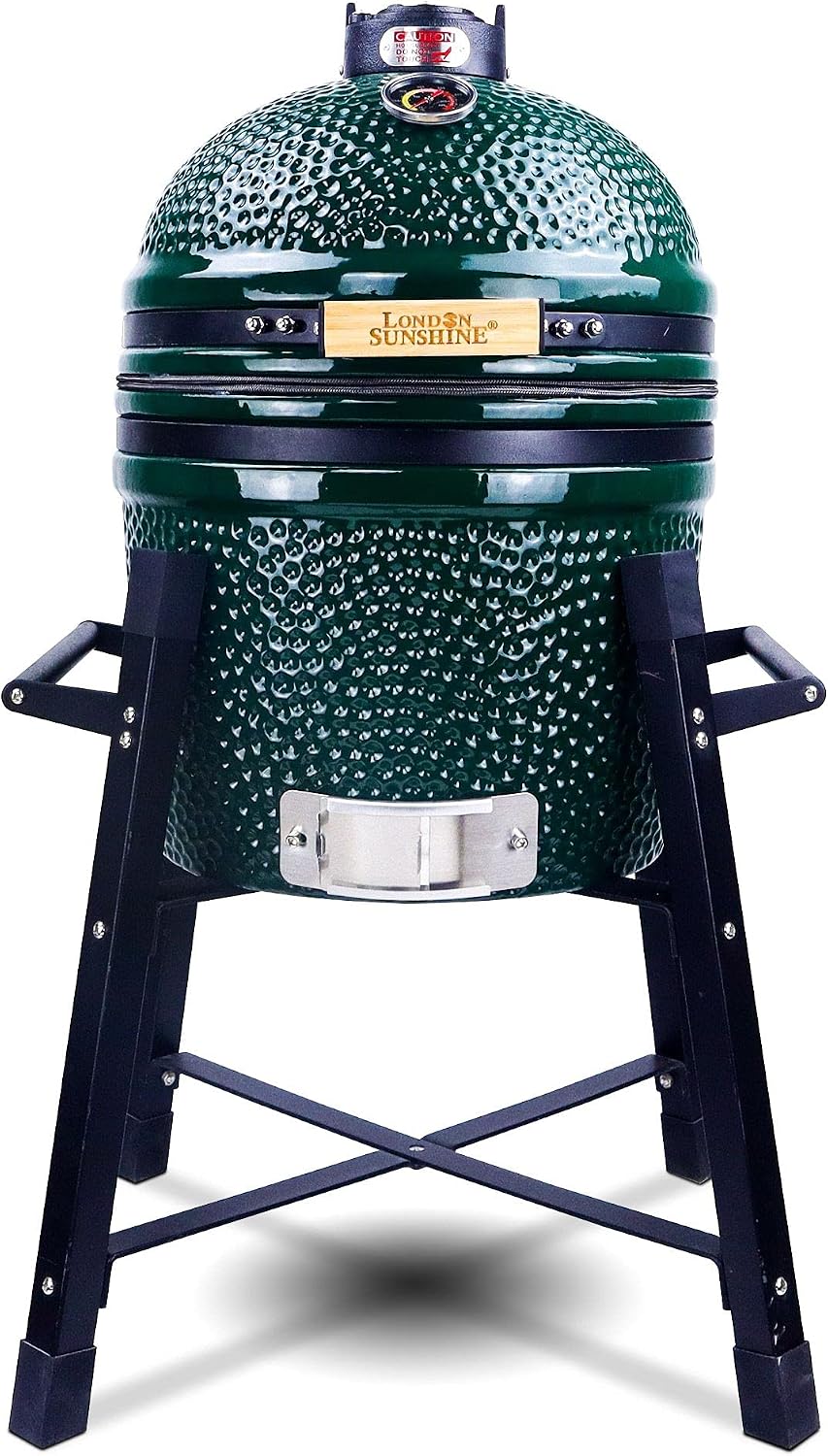
London Sunshine 15" Ceramic Kamado Charcoal BBQ Grill and Smoker, Green
Budget ceramic, decent heat retention
Visit on Amazon →London Sunshine 15" Ceramic Kamado Charcoal BBQ Grill and Smoker, Green
The Kamado Joe Classic II includes new innovation, featuring a thick-walled, heat-resistant shell that locks in smoke and moisture at any temperature. Smoke at 225F with precise temperature contro usi
Visit on Amazon →How I tested
I've cooked on all of these. Some I own, some belong to friends on the circuit, and a couple I've borrowed for a week at a time to see if they'd survive my routine. I ran two briskets a week through the season, and I've done overnight pork shoulders in a Minnesota February and a Georgia August thunderstorm.
I've held temp at 225 for eight hours without touching a vent, and I've had to choke a fire down at 2 a.m.
because I overshot and the dome was screaming at 300.
I packed these grills in the back of my truck, wheeled them across grass and gravel, and left them uncovered in the rain to see what would break. I've replaced gaskets, rebuilt fireboxes, and chiseled a frozen dome open with a putty knife. That's the test. Not a weekend cook. A season.
Analysis & test results
Every grill in this field was tested on heat stability, fuel efficiency, gasket durability, and whether I'd trust it with a ~$849 brisket at 5 a.m. on a Sunday. The winner is the Kamado Joe Classic II, and it's not close.
It held 225 for nine hours on a single load of lump in a steady wind, and the air hinge means I can flip a steak with one hand while holding a beer in the other.
The Divide & Conquer system is real, not a gimmick. I've run a brisket on one side and a pan of beans on the other, and both came out right.
The Big Green Egg is the granddaddy, and it still holds its own. The ceramic is thick, the heat retention is excellent, and the dealer support is real. But you're paying ~$899 to ~$1,199 for the Large, and it doesn't come with a nest or a converter. The felt gasket on my friend Ray's Egg peeled off after two seasons, and he's replaced it three times in fifteen years. That's the price of admission.
The Primo Oval XL is a genius design. The oval shape gives you real two-zone cooking, and the XL has more grill space than any round kamado I've used. But it's heavy as hell, and moving it is a two-man job. I've thought about buying one, but I'd need to hire a crew to get it into my backyard.
The winner: Kamado Joe Classic II
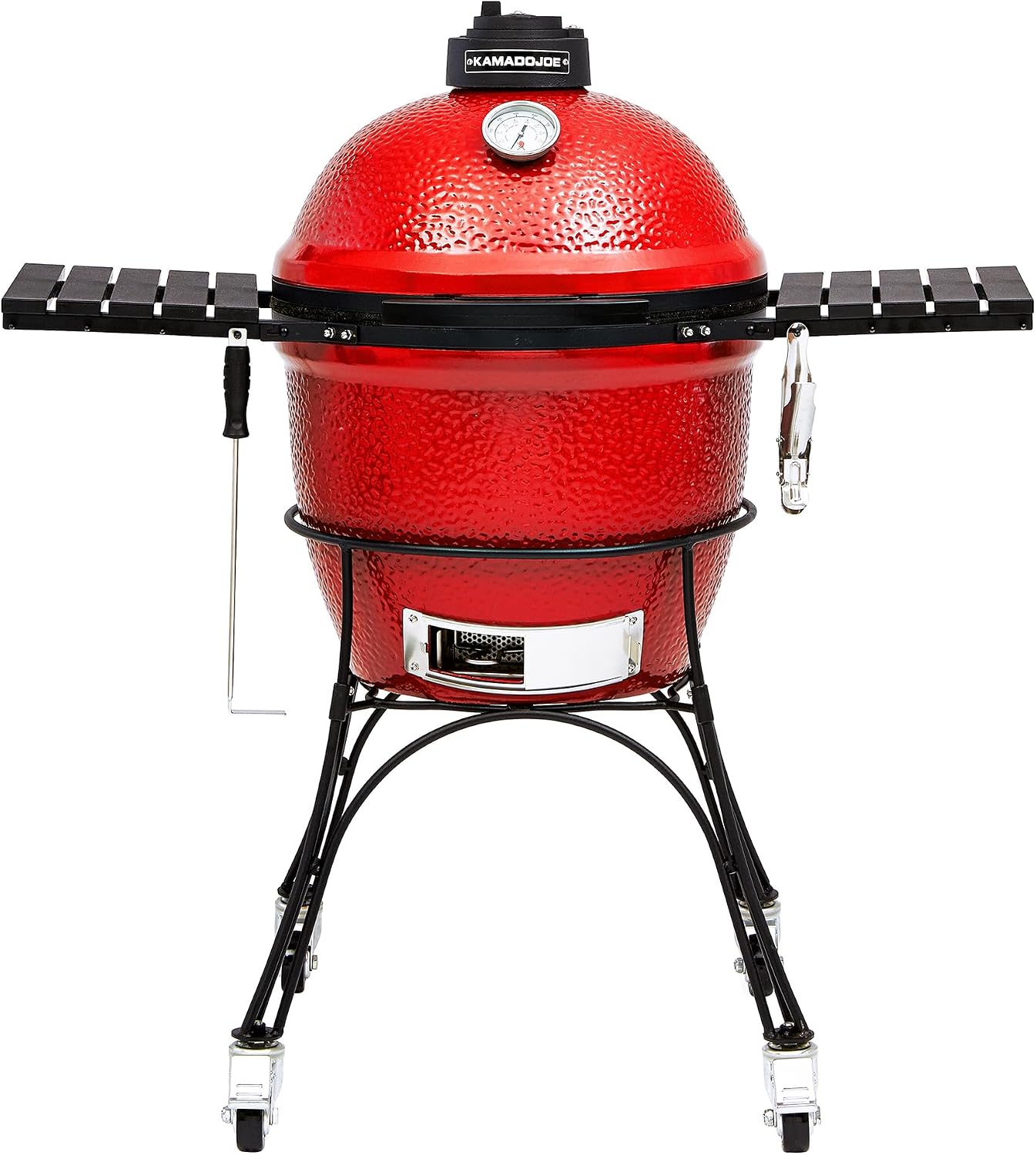
This is the grill I cook on every week, and it's the one I'd recommend to anyone who wants to do this seriously. The air hinge is a revelation, and the Divide & Conquer system is actually useful. The firebox is solid, and the warranty covers it without a fight.
I've had mine for four years, and the only thing I've replaced is the felt gasket, which peeled after a year.
I swapped it for a nomex gasket, and it's been fine since.
The cart wobbles on uneven ground, which is annoying if you're trying to wheel it across a lawn. And it's not cheap. Street price is usually ~$799, which is a lot of money for a grill. But if you cook as much as I do, it pays for itself. I've done the math: at ~$799, it's about 55 cents a day over four years. That's cheaper than a cup of coffee.
The heat stability is the reason it wins. On a 40-degree night with a 15 mph wind, it held 225 for eight hours without me touching the vents. I set it, went to sleep, and woke up to a perfect bark and a clean temp chart. That's the whole point.
The contender: Big Green Egg Large
The Egg is the granddaddy, and it's earned its reputation. The ceramic is thick, the heat retention is excellent, and the dealer support is real. I've got friends who've had the same Egg for fifteen years and only replaced the gasket. That's a testament to durability.
But the price is a kick in the teeth. You're paying ~$899 to ~$1,199 for the Large, and it doesn't even come with a nest or a converter. The accessories are overpriced. The cast iron grate is ~$68.90, and the deflector is another ~$80.
It adds up fast. And the gasket is still a felt strip that needs replacing every couple of years. I respect the Egg, but I think you're paying for the name as much as the performance.
One buyer wrote in March: "The gasket keeps falling off." I've seen the same thing. It's not one bad unit, it's a pattern. Plan to replace it every two years, and factor that into the cost.
The oval genius: Primo Oval XL
The oval shape is a genius design. You get more grilling space than a round kamado, and you can do two-zone cooking with a real separation between direct and indirect heat. The XL is ~$1,199 to ~$1,599, which is right in line with the Big Joe.
But accessories are harder to find, and the grill is heavy as hell. Moving it is a two-man job, and if you've got a bad back, you're going to hurt yourself. I've thought about buying one, but I'd need to hire a crew to get it into my backyard.
Char-Griller Akorn Jr.
The poor man's egg. For ~$149, you get a steel-bodied kamado that weighs half as much as a ceramic one. It's portable, it's cheap, and it'll hold temp reasonably well if you're careful. I've got the bigger Akorn as a backup, and I've used it for tailgating and camping.
But it's not a ceramic kamado. It won't hold heat like the real thing, and the firebox is a cheap liner that I've seen crack within a year.
London Sunshine 15-inch
This is a budget ceramic option, and it's a mixed bag. The price, around ~$349, is hard to argue with. For the money, you get a lot of grill. But the firebox is cheaper than the Kamado Joe or the Egg, and the paint peels after a few seasons. It's also less efficient at holding heat. I've seen reports of it eating through a bag of lump in three hours on a low-and-slow cook.
Vision Grills Pro S-series
This is the budget ceramic option under ~$500, and it's a mixed bag. The cast iron grate is a nice touch, and the price is hard to argue with. But the firebox is cheaper than the Kamado Joe or the Egg, and the paint peels after a few seasons.
It's also less efficient at holding heat. I've seen reports of it eating through a bag of lump in three hours on a low-and-slow cook.
That's not a kamado; that's a charcoal pit with a ceramic liner.
Pit Boss Kamado
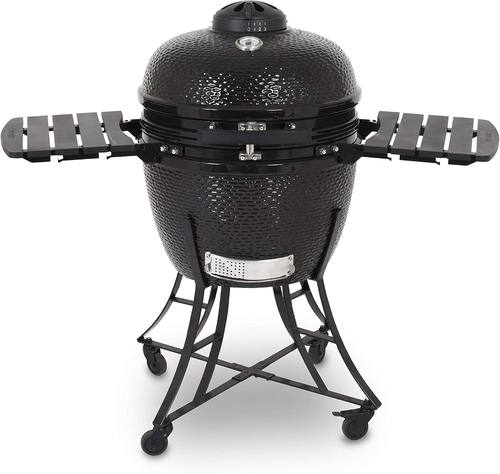
This is a metal knockoff with a ceramic liner. It's cheaper, sure, but it's not a real kamado. It won't hold heat like ceramic, and the temperature swings are wild. I've cooked on one at a friend's house, and I spent more time adjusting the vents than I did drinking beer. Skip it.
Should you buy the Kamado Joe Classic II?
If you're cooking competition barbecue, or if you want a grill that'll hold 225 through a thunderstorm without you touching a vent, yes. It's the best kamado grill for competition I've used, and I've been through six of them. It's not cheap, and the felt gasket will fail. But the heat stability, the air hinge, and the Divide & Conquer system make it worth the money.
If you're just starting out and you don't want to drop a grand, the Akorn Jr. is a fine way to learn. But don't expect it to last a decade. And if you're cooking for a family of four, the Big Joe is overkill. The Classic is enough.
One last thing. I left my Big Joe uncovered in a Minnesota winter once. The gasket froze and peeled off when I opened the dome. That was a ~$20 lesson. Cover your grill. Sooty, my 90-pound lab mix, sleeps on the porch next to the Big Joe when I'm running an overnight cook. He's learned to ignore the smell of burning lump. That's the life.