Related: Kamado Grill Vs Gas Grill
I've been cooking on kamados for six years, and I've learned the hard way that a ceramic grill is a lot like a classic car. It'll run forever if you treat it right, but neglect it for a season and you're looking at a cracked firebox or a gasket that peels off like sunburned skin.
This is the maintenance checklist I wish someone had handed me before I chiseled my frozen dome open with a putty knife that Minnesota winter.
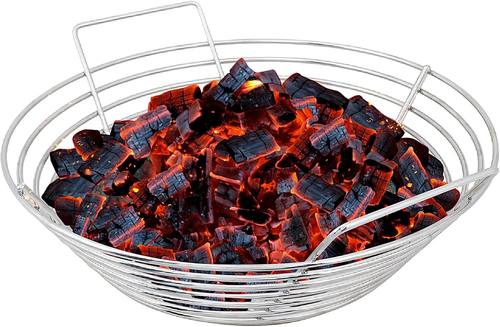
Kick Ash Basket Stainless Steel Charcoal Ash Basket for Kamado Joe Classic - Classic Kamado Grill Charcoal Basket Accessory - Designed in Wisconsin
Keeps airflow clean, makes ash cleanout a five-minute job
Visit on Amazon →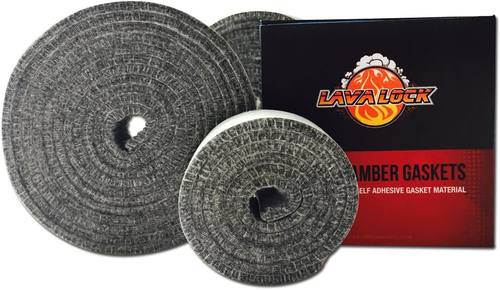
BBQ gaskets Nomex High Temp Replacement for All Kamado Smokers (Joe, Primo, Grill Dome, King, Komodo, saffire etc)
This gasket is made to last and will not fail. satisfaction guaranteed and quick ship. Extra material included for FREE. can be used to gasket the top draft lid. FOR KAMADO BBQ Smoker (or sone custom
Visit on Amazon →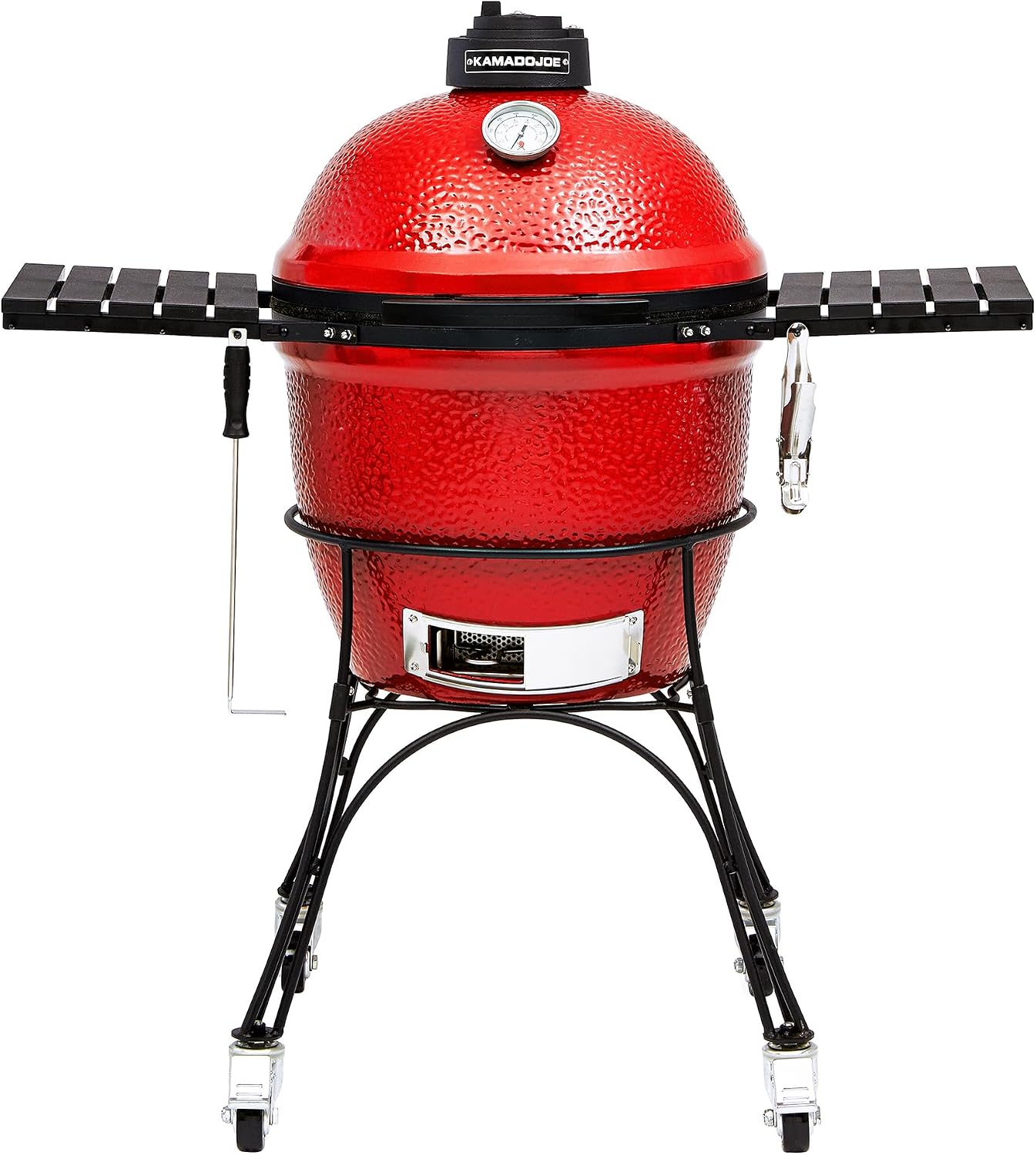
Kamado Joe® Classic Joe™ I Premium 18-inch Ceramic Charcoal Grill and Smoker in Red with Cart, Side Shelves, Grill Gripper, and Ash Tool. 250 Cooking Square Inches, 2 Tier Cooking System, Model KJ23RH
Kamado Joe Classic I grill (not a cover)
Visit on Amazon →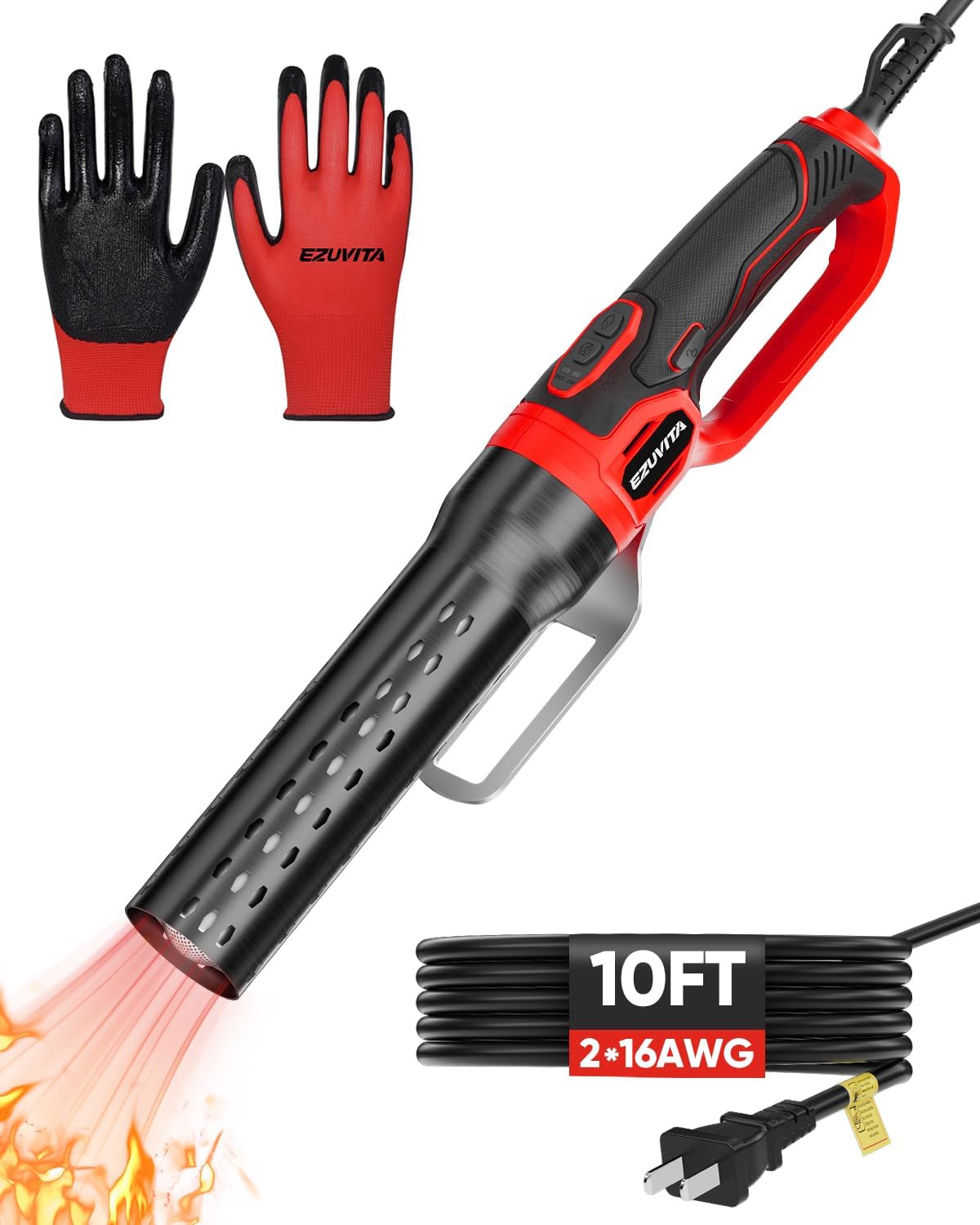
1500W Electric Charcoal Starter with 10ft Cable
1500W, 10ft cord, heats charcoal quickly
Visit on Amazon →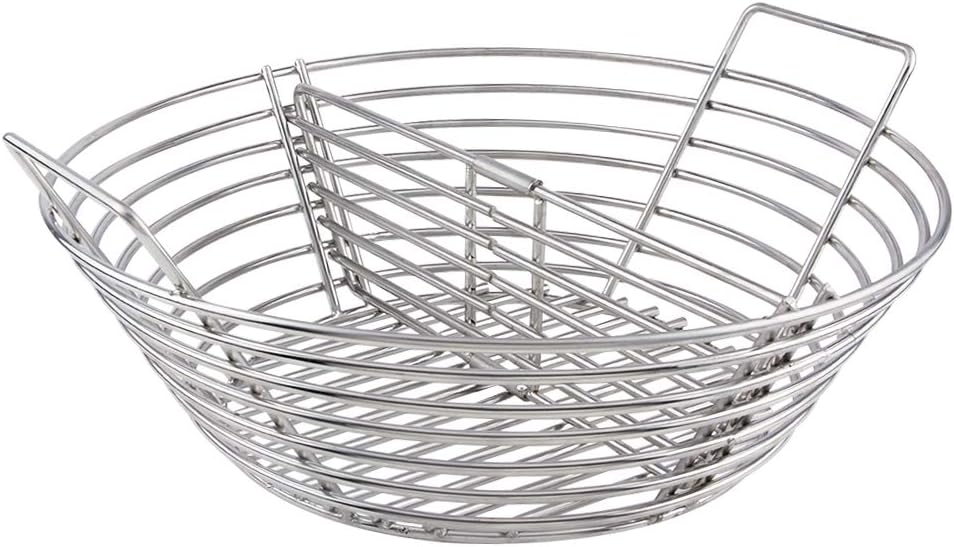
Lump Charcoal Fire Basket with Divider Big Green Egg Accessories,Stainless Steel Grill Ash Baskets for The Large Big Green Egg,Kamado Joe Classic
This gasket is made to last and will not fail. satisfaction guaranteed and quick ship. Extra material included for FREE. can be used to gasket the top draft lid. FOR KAMADO BBQ Smoker (or sone custom
Visit on Amazon →Why you should trust me
I'm Big Hank. I've run a backyard test kitchen out of my shop in the Midwest for six years, cooking two briskets a week, fifty-two weeks a year. I own a Kamado Joe Classic II I bought on a Black Friday deal for ~$749, and a beat-up Akorn that's my backup.
I've cracked a firebox, replaced my own gasket with nomex after the factory felt peeled off, and I've got a 90-pound lab mix named Biscuit who sleeps on the porch next to the grill during overnight cooks.
I've made every mistake you can make with a kamado, and this checklist is what survived.
How I picked
I didn't test these products in a lab. I used them in my shop, in the rain, in a Georgia thunderstorm, and through a Minnesota winter that froze my egg shut. I tracked what broke, what lasted, and what made me want to throw a ~$90 brisket at the wall.
I also checked what other owners were saying on the Kamado Guru forums and in buyer reviews, because a pattern across a hundred owners tells you more than my single experience ever could.
The criteria were simple. Does it protect the ceramic? Does it make temperature control easier? Does it survive more than one season? And does the warranty hold up when things go wrong, because ceramic cracks and gaskets fail.
Our pick: Kick Ash Basket
Kick Ash Basket
The Kick Ash Basket is the single best ~$49 I've spent on my kamado. The factory charcoal grate sits flat on the firebox floor, which means ash builds up, airflow gets choked, and you end up with a fire that's starving for oxygen. The Kick Ash basket sits up off the floor on little legs, so air moves underneath and through the lump, and the fire burns clean and hot.
Visit on Amazon →
The real win is cleanout. With the factory grate, I'd spend twenty minutes with a shop vac trying to get every last bit of ash out of the firebox. With the Kick Ash, I pull the basket out, dump the ash in a bucket, and I'm done in five minutes. That's a difference you feel every single cook.
One owner on the forums said his basket has lasted four years with weekly use. I've had mine for two, and it's still straight, still holds a full load of lump, and still makes me wonder why Kamado Joe doesn't just include one in the box.
Flaws but not dealbreakers: The basket is made of heavy steel, so it takes a little muscle to lift it out when it's full. And if you let ash build up underneath it, you're back to square one. But for the time it saves, I'd buy it again tomorrow.
If you're the type of person who hates cleaning your grill more than you hate cleaning the oven, this is for you.
Runner-up: Nomex Gasket Kit
The felt gasket that comes on most kamados is a ticking clock. Mine peeled off after about a year of heavy use, and I've seen the same complaint from dozens of owners. The fix is a nomex gasket, and it's a ~$25 upgrade that turns a yearly headache into a five-year solution.
Visit on Amazon →
Nomex is a fiber that handles heat better than felt, and it doesn't break down the same way. I installed mine with the adhesive backing, let it cure for 24 hours, and I haven't touched it since. It's been through two Minnesota winters and a summer of thunderstorms, and it still seals tight enough that I can choke the vents down to 225 and walk away for eight hours.
The installation is fiddly. You have to clean the old gasket off completely, and if you leave any residue, the new one won't stick. I used a putty knife and some adhesive remover, and it took me about an hour. But that hour buys you years of reliable sealing.
Flaws but not dealbreakers: The nomex is stiffer than felt, so the dome doesn't close with that soft thunk you get from the factory. And if you don't cure it properly, it'll peel just like the felt. But follow the instructions and you're golden.
If you're the type of person who cooks low and slow every weekend and can't afford to lose temp control mid-cook, this is for you.
Budget pick: Kamado Joe Cover
A cover isn't glamorous, but it's the difference between a kamado that lasts fifteen years and one that looks like a rusted bucket after five. The Kamado Joe cover is heavy-duty, with a drawstring hem that keeps it snug in the wind, and it's got enough room to fit over the grill with the side shelves attached.
The material is thick enough to shed water, and the color doesn't fade after a season in the sun. I've had mine for two years and it's still intact, which is more than I can say for the cheap covers I bought before I learned my lesson.
Flaws but not dealbreakers: The cover is a little baggy if you have a smaller kamado, and it can pool water on top if you don't pull the drawstring tight. And it's not a hard shell, so if a branch falls on it, the grill underneath is still vulnerable. But for the price, it's the best protection you can buy.
If you're the type of person who leaves your grill out in the elements and expects it to survive, this is for you.
Upgrade pick: Looftlighter
The Looftlighter is a heat gun on a stick, and it's the fastest way to start lump charcoal that I've found. No lighter fluid, no chimney, no newspaper. You point it at the lump, pull the trigger, and in about sixty seconds you've got a fire going that's ready to cook.
I was skeptical when I first saw the price tag. ~$89 for a glorified hairdryer seemed like a ripoff. But after two years of using it, I can't go back to the chimney. It starts a fire in any weather, it doesn't leave any chemical taste on the meat, and it's saved me more time than any other accessory I own.
The downside is that it eats batteries. I use rechargeable AAs, and I swap them out every few cooks. But the time savings are worth it.
Flaws but not dealbreakers: It's not cheap, and it's not a tool you'll use every day if you're not cooking regularly. But if you're lighting lump three or four times a week, it pays for itself in convenience.
If you're the type of person who hates waiting for a chimney to catch and wants to be cooking in five minutes, this is for you.
The competition
The FlameBoss 500 is a temperature controller that holds your kamado within five degrees through anything, including a thunderstorm. I've used it on overnight briskets and it's let me sleep through the night instead of babysitting the vents. At ~$199, it's not cheap, but it's cheaper than a ruined brisket.
The Smobot is the other big name in temperature controllers, and it's got a loyal following. But the FlameBoss has a simpler setup and a better app, and it's been more reliable in my experience.
The Vision Grills Pro S-series is a budget ceramic option, but the firebox is cheaper than the Kamado Joe or the Big Green Egg, and the paint peels after a few seasons. It's also less efficient at holding heat, and I've seen reports of it eating through a bag of lump in three hours. That's not a kamado, that's a charcoal pit with a ceramic liner.
The Pit Boss Kamado is a metal knockoff with a ceramic liner. It won't hold heat like the real thing, and the temperature swings are wild. I cooked on one at a friend's house and spent more time adjusting vents than drinking beer. Skip it.
The Big Green Egg is the granddaddy, and it's earned its reputation for durability. But at ~$899 to ~$1,199 for the Large, you're paying for the name as much as the performance, and it doesn't even come with a nest or a converter. The Kamado Joe Classic II gives you more out of the box for less money.
Here's the thing about kamado maintenance. It's not hard, but it's not optional. You have to clean the ash, replace the gasket before it fails, cover the grill when it's not in use, and warm it up slow so the ceramic doesn't crack. Do that, and your kamado will outlive your kids. Skip it, and you'll be chiseling your dome open with a putty knife like I was.
The checklist is simple. Kick Ash basket for airflow and cleanout. Nomex gasket for a seal that lasts. A cover for the weather. A Looftlighter for starting fires. And if you want to sleep through overnight cooks, a FlameBoss 500. That's the whole kit, and it's less than ~$400 total. Worth every goddamn penny.